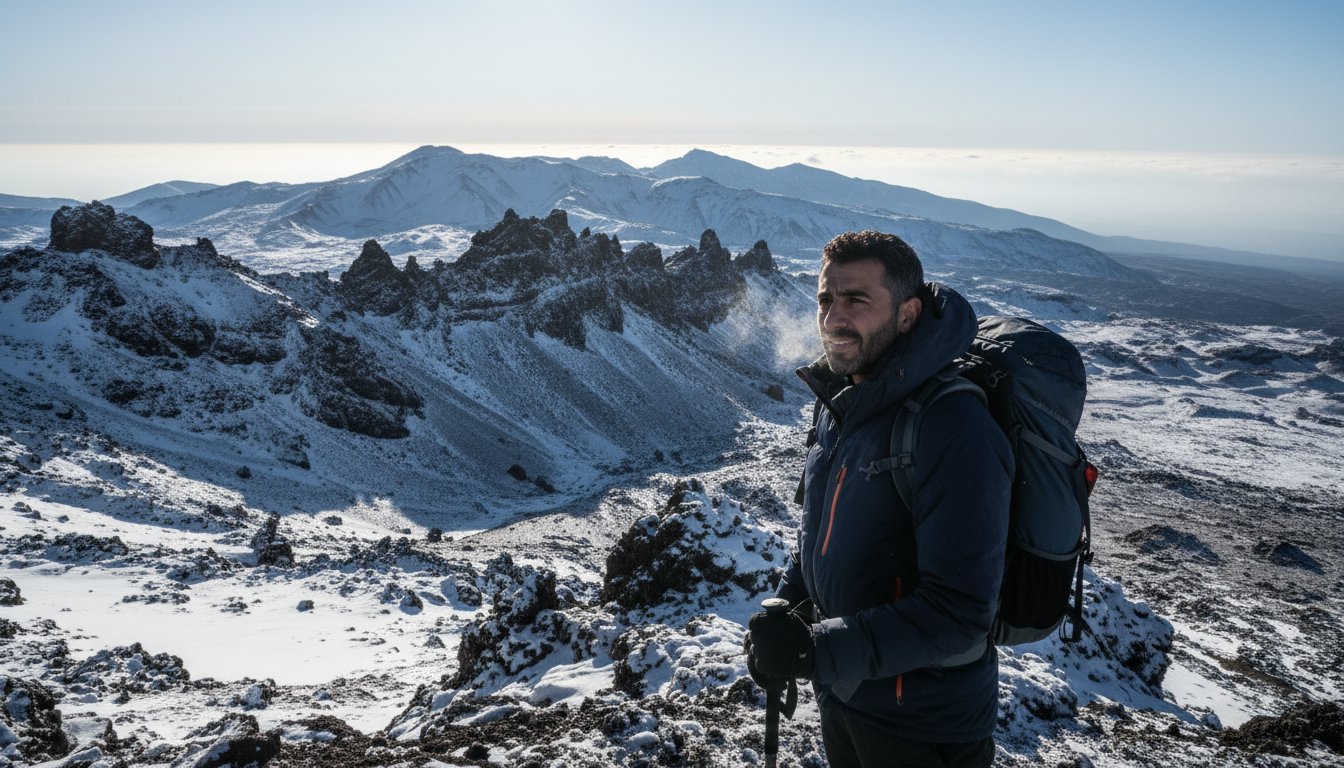
What if I told you that training for mountaineering in the flatlands of Dubai and the GCC can prepare you for summits beyond your wildest dreams? When it comes to fitness for mountaineering, many assume they need natural elevation to build strength and endurance. But here’s the truth: you can thrive in the desert landscape and emerge as a formidable climber, ready to tackle any peak. In this article, I’ll share a practical, experience-based blueprint that will guide you through building mountain-ready fitness despite the challenges of extreme heat and limited verticality. You’ll discover how to create a clear training roadmap, gain the confidence to keep pace with your expedition team, and learn innovative ways to simulate mountain conditions right in the heart of the city. Let’s transform your fitness journey into a thrilling adventure that prepares you for the heights that await.
Key Takeaways
- Understand that ‘fitness for mountaineering’ is about endurance on uneven terrain, not just gym workouts; train for long durations with a weighted pack.
- Focus on building your aerobic base; 80% of your training should feel slow to enhance endurance without overexerting.
- Incorporate vertical training in urban environments, like skyscraper stairs and local inclines, to simulate real-world climbing conditions.
- Strengthen your posterior chain and core stability to better navigate challenging terrain and manage the weight of your pack.
- Follow a structured 16-week training plan that gradually introduces vertical gain and movement efficiency for optimal preparation.
The Reality of Fitness for Mountaineering: Why ‘Gym Fit’ Isn’t ‘Mountain Fit’
When it comes to mountaineering, the concept of fitness takes on a whole new meaning. It’s not just about lifting weights or running on a treadmill. Instead, true fitness for mountaineering is defined by your ability to navigate rugged, uneven terrain while carrying a weighted pack for 6-12 hours at altitude. This kind of endurance is far removed from the typical gym workout.
High-Intensity Interval Training (HIIT) has its place, but it can be counterproductive for long expeditions. While HIIT develops quick bursts of power, mountaineering demands a different kind of stamina—one that can sustain you over hours of climbing and descending. Think of it like a ‘Diesel Engine’—you want your body to run steadily and efficiently, particularly when oxygen levels drop and every breath becomes a conscious effort.
Leading expeditions has taught me invaluable lessons about the nuances of fitness. I’ve seen marathon runners struggle more than slow, steady hikers. While these runners may excel on flat terrain, the steep ascents and rocky descents of high-altitude peaks reveal a different story. It’s the hikers who have built a solid aerobic base and muscle endurance who thrive in these challenging conditions.
The Specific Demands of High-Altitude Peaks
At altitudes above 4000m (13,123ft), your body undergoes significant metabolic shifts. The air is thinner, and your heart rate behaves differently than it does in a Dubai gym. You might find that activities which felt easy at sea level become strenuous. The role of ‘motor fitness’—the ability to maintain balance and eccentric leg strength—becomes crucial, especially during descents where coordination is tested.
Acclimatization and Fitness: The Hidden Connection
A strong aerobic base allows your body to focus energy on acclimatising to altitude rather than merely surviving the movement. This is where the connection between fitness for mountaineering and acclimatisation becomes evident. Many climbers make the mistake of overtraining in the weeks leading up to their expedition, arriving at the trailhead exhausted. Instead, aim for a balanced training regimen that builds endurance over time, allowing for both physical and altitude acclimatisation.
Remember, achieving true fitness for mountaineering requires more than just gym sessions. It’s about preparing your body for the unique demands of the mountains, ensuring that you can enjoy the breathtaking views while conquering challenging trails. Embrace the journey, and you’ll find that the mountains reveal their secrets to those who are willing to put in the work.
Building Your Aerobic Base: The Foundation of Every Summit
When preparing for the rigors of mountaineering, building a solid aerobic base is essential. This foundation supports everything from long treks in Mushrif Park to the steep ascents of high-altitude peaks. The secret lies in what’s known as ‘Zone 2’ training, where 80% of your workouts should feel ‘boringly slow.’ This low-intensity training is vital for developing endurance without undue fatigue.
To find your aerobic threshold, you don’t need expensive lab tests. A simple calculation is to take 180 and subtract your age. This gives you a rough estimate of your maximum heart rate for aerobic exercise. For example, if you’re 30, your target heart rate for Zone 2 would be around 150 beats per minute. This is where the ‘Talk Test’ comes into play. If you can comfortably hold a conversation during your walks, you’re likely in the right zone.
As you embark on this journey, tracking your progress is equally important. Monitoring your resting heart rate and recovery times will help you gauge improvements in your fitness for mountaineering. A decrease in resting heart rate indicates better aerobic fitness, while quicker recovery times suggest enhanced endurance.
Low-Intensity Steady State (LISS) Training
Walking is often more effective than running for mountaineering goals, especially in the early stages of training. Aim for 3-5 hours of Zone 2 work per week. These sessions can be done in scenic locales like the Doha Corniche, where the flat terrain makes it easier to maintain a consistent pace. On particularly humid days in Dubai, consider using indoor treadmills set to a high incline to simulate mountain conditions.
Transitioning to Weighted Walks
Once you’re comfortable with low-intensity training, it’s time to incorporate weight into your walks. Start with a manageable load of 5kg (11lbs) and progressively work your way up to 15kg (33lbs). This gradual loading principle helps prevent injuries and prepares your body for the demands of a summit day. Always remember, never train with your full summit day weight right from the beginning; this can lead to overuse injuries.
It’s also crucial to protect your knees while training on flat desert ground. Opt for softer surfaces when possible, and ensure you have proper footwear that provides adequate support. By following these principles, you’ll not only build endurance but also prepare your body for the unique challenges of mountaineering.
Simulating the Ascent: Vertical Training in Dubai and the GCC
Training for mountaineering in the UAE and GCC regions requires innovative methods to mimic the conditions of high-altitude climbs. Here, I’ll explore unique strategies like the ‘Stairway to Heaven,’ outdoor incline training, and even some unconventional practices that can elevate your fitness for mountaineering.
Skyscraper Training: The GCC Climber’s Secret Weapon
The skyscrapers of Dubai offer a fantastic opportunity for vertical training. Identify a building with over 40 storeys and commit to an ‘up-only’ training routine. Ascending these fire stairs simulates the relentless climb of a mountain. Remember, the descent can be tougher on your joints than the ascent itself, making this method particularly effective.
One vital aspect of this training is mental toughness. The repetitive nature of stairwells can mirror long summit nights, preparing you for the psychological challenges of an actual climb. Embrace the grind; it’s where true resilience is forged.
Outdoor Training in the Heat
Training outdoors during the summer months in Abu Dhabi or Kuwait poses its own set of challenges. Managing thermoregulation is critical. The heat can be oppressive, so consider starting your sessions at 4 AM when temperatures are more manageable. This ‘Early Start’ culture allows you to get the most out of your training without risking heat exhaustion.
Hydration is another key concern. Don’t rely solely on water; aim for a balanced electrolyte intake. Proper hydration strategies, like using electrolyte tablets, can maintain your performance and help prevent cramping during those long, grueling sessions.
Real-World Testing: Jebel Hafeet and Jebel Jais
The Ski Dubai ‘Slope Walk’
Don’t overlook the unique opportunity to train indoors at Ski Dubai, where you can walk on a sub-zero slope. This environment is not just about conditioning your body; it’s also a chance to test your gear and breathing techniques in cold conditions, simulating high-altitude environments. It’s a vital part of your fitness for mountaineering and can help you prepare for the chill of the summit nights.
StairMaster Tips for Beginners
When using a StairMaster, avoid the common beginner mistake of holding onto the rails. This can compromise your form and lessen the effectiveness of your workout. Focus on engaging your core and maintaining an upright posture. Doing so will better mimic the demands of actual climbing, enhancing your overall fitness for mountaineering.
By incorporating these methods into your training routine, you’ll not only enhance your physical capabilities but also build the mental resilience necessary for high-altitude adventures. Remember, the journey to the summit begins long before you step onto the mountain.
Strength and Stability: Preparing for the 15kg (33lb) Pack
When it comes to fitness for mountaineering, one of the key challenges is carrying a 15kg (33lb) pack. This not only requires strength but also stability, particularly in the posterior chain, which includes your glutes, hamstrings, and lower back. Strengthening these muscles is crucial for powering up steep inclines and stabilising your body on the way down. As you ascend and descend, every step can become a test of endurance if your body isn’t prepared.
Core stability is another critical factor. It helps you maintain balance and control while navigating scree slopes and moraines, where uneven ground can easily lead to slips and falls. A strong core acts as a solid foundation, allowing you to adjust your weight and stay upright, even when the terrain gets tricky.
Forget about isolation machines; focus on functional movements that mimic the actions you’ll take on the mountain. Squats and lunges should dominate your training programme. They not only build strength in the legs but also enhance coordination and flexibility. This holistic approach to strength training prepares you not just for the uphill trek but also for the descent, which often poses its own challenges.
Field Note: Don’t overlook the importance of eccentric strength. This is the ability to control your muscles as they lengthen, especially during descents. Neglecting this can lead to knee pain and injuries. Training your body to absorb impact will save your knees and ensure you can tackle those steep descents without dread.
The Mountaineer’s Gym Circuit
Integrate the following exercises into your training regimen:
- Step-ups: The single most important exercise for any climber. They build the strength and stability required for climbing and descending.
- Single-leg stability work: Exercises like single-leg squats or balancing on an unstable surface help prevent ankle rolls on uneven Himalayan trails.
- Core routines: Incorporate exercises that simulate the shifting weight of your backpack, such as medicine ball twists or planks with shoulder taps.
Injury Prevention and Mobility
As a mountaineer, addressing the ‘Dubai Desk Worker’ posture is essential. Many of us spend long hours seated, which tightens the hips and chest. Incorporate stretches and mobility work to open these areas up. Yoga can be a powerful tool in your training block, aiding in recovery and flexibility.
Finally, pay attention to any ‘niggles’ that arise during training. If you feel something isn’t right, don’t ignore it. Consult a physiotherapist before a minor issue becomes a ‘Did Not Finish’ (DNF) on the mountain. Your body is your most important asset, and taking care of it ensures you can pursue your mountaineering dreams.
Ready to take the next step in your mountaineering journey? Visit this link for more insights and training tips.
The 16-Week GCC Mountaineering Training Blueprint
Embarking on a mountaineering expedition requires a well-structured training regimen. This 16-week blueprint focuses on fitness for mountaineering, designed to elevate your physical capabilities and mental resilience. Each phase builds upon the last, ensuring you’re prepared to tackle any summit.
Phase 1 (Weeks 1-4): Base Building and Movement Efficiency
The initial phase is all about establishing a solid foundation. Focus on aerobic conditioning through activities like running, cycling, or swimming. Aim for at least 30 minutes of cardio five times a week. Incorporate strength training to improve movement efficiency, targeting core and leg muscles essential for climbing. Simple bodyweight exercises such as squats, lunges, and planks can make a significant difference.
Phase 2 (Weeks 5-8): Introducing Vertical Gain and Light Packs
During this phase, it’s time to simulate the climbing experience. Start hiking with a light pack (around 5-10 kg) on trails that offer elevation gain. Aim for 2-3 hikes each week, gradually increasing your distance and vertical ascent. This phase prepares your body for the demands of carrying gear while maintaining endurance.
Phase 3 (Weeks 9-12): Peak Volume—The ‘Big Days’ Simulation
As you approach the halfway point, it’s vital to simulate your expedition days. Plan one long hike each week, ideally 6-8 hours, including significant elevation gain. These ‘Big Days’ are crucial for building endurance and testing your gear. You’ll want to practice your hydration and nutrition strategies during these outings to ensure you’re fuelled for success.
Phase 4 (Weeks 13-16): Tapering, Mental Prep, and Final Gear Checks
In the final phase, it’s essential to taper your training to allow your body to recover and adapt. Reduce the intensity and volume of your workouts while maintaining light activity. This is also the time to focus on mental preparation. Visualisation techniques can be powerful; picture yourself overcoming challenges, especially the final 200m (656ft) to the summit. Conduct final gear checks and ensure you’re familiar with your equipment to minimise surprises on the mountain.
Structuring Your Weekly Schedule
For busy professionals in Doha or Dubai, creating a balanced weekly schedule is crucial. Your mornings might include strength training sessions, while evenings could be dedicated to cardio or hiking. Reserve Saturdays for your long carry, where you can combine social time with training. Invite friends to join; this not only builds camaraderie but keeps you motivated.
The Mental Climb: Resilience and Mindset
Mountaineering isn’t just physical; it’s a mental challenge too. Adopting the ‘Pole Pole’ (slowly, slowly) pace is essential for sustainable success. This method may feel counterintuitive, but it’s proven effective. Employ visualisation techniques, particularly for those challenging last stretches. Guides from Summit Expeditions can provide invaluable advice on managing the mental wall that often appears during climbs.
With this comprehensive 16-week blueprint, you’re equipped to enhance your fitness for mountaineering. Remember, it’s not just about reaching the summit; it’s about the journey and the preparation that gets you there.
Prepare for Your Next Adventure
As you embark on your mountaineering journey, remember that true fitness for mountaineering goes beyond just gym workouts. Building a solid aerobic base is crucial, and simulating vertical training conditions will significantly enhance your performance. Don’t underestimate the importance of strength and stability in carrying your gear; every ounce matters on the ascent.
Are you ready to put your training to the test? Join our next expedition with Summit Expeditions, led by expert Omani mountaineer Nadhir Al Harthy. Experience personalised training advice and safety protocols designed for every adventurer in the GCC. Take the leap and transform your preparation into unforgettable memories.
Join our next expedition and put your training to the test. Every summit awaits your arrival, and we are here to guide you every step of the way. Embrace the challenge and let the mountains reveal their wonders to you!
Frequently Asked Questions
How many months before a climb should I start training?
You should aim to start your training at least three to six months before your climb. This timeframe allows for gradual conditioning, ensuring your body adapts to the demands of high-altitude trekking. Begin with a solid fitness foundation, incorporating strength, endurance, and flexibility training tailored to the specific challenges of your ascent.
Is running a marathon enough preparation for Kilimanjaro?
While running a marathon builds stamina, it may not fully prepare you for Kilimanjaro’s unique challenges. The climb involves steep ascents and altitude acclimatization, which require specific training. Incorporating hiking with a weighted backpack and strength training for your legs will better prepare you for this high-altitude adventure.
How do I train for high altitude while living at sea level in Dubai?
Training for high altitude while at sea level involves simulating the conditions you’ll face on the mountain. Use stair climbing, hill sprints, or treadmill incline workouts to build leg strength and cardiovascular fitness. Additionally, consider spending time in local gyms that offer altitude simulation masks or devices to enhance your acclimatization process.
What is the best exercise to prevent knee pain during the descent?
Strengthening your quadriceps, hamstrings, and calves is crucial to prevent knee pain during descents. Exercises like lunges, squats, and step-ups can help build the necessary muscle support. Additionally, training on downhill trails will help your body adapt to the specific stresses of descending, reducing the likelihood of injury.
Should I train with the exact boots I plan to wear on the mountain?
Yes, training with the exact boots you plan to wear on your climb is essential. This helps you break them in and adjust to their fit and support. Wear them on training hikes, gradually increasing your distance to ensure comfort and prevent blisters or discomfort during your expedition.
How much weight should I actually carry in my training pack?
In your training pack, aim to carry 60-70% of your expected summit day weight. If you plan to carry 10kg (22lbs) on the mountain, train with a pack weighing around 6-7kg (13-15lbs). This weight will help you build strength and endurance without overly straining your body during training.
Can I use a mask to simulate high altitude training in the gym?
Yes, using a mask to simulate high altitude can be beneficial, but it’s not a complete substitute for actual acclimatization. Masks can help improve your respiratory efficiency and prepare your body for lower oxygen levels. However, nothing replaces the experience of gradual ascent and exposure to high altitudes during your training.
What happens if I feel fit but still get altitude sickness?
Even the fittest climbers can experience altitude sickness due to the rapid change in altitude. Understanding altitude sickness symptoms can occur regardless of fitness level. If you feel symptoms like headaches, nausea, or dizziness, it’s vital to descend to a lower altitude immediately and seek medical attention if necessary. Remember, acclimatization is key; don’t rush your ascent.