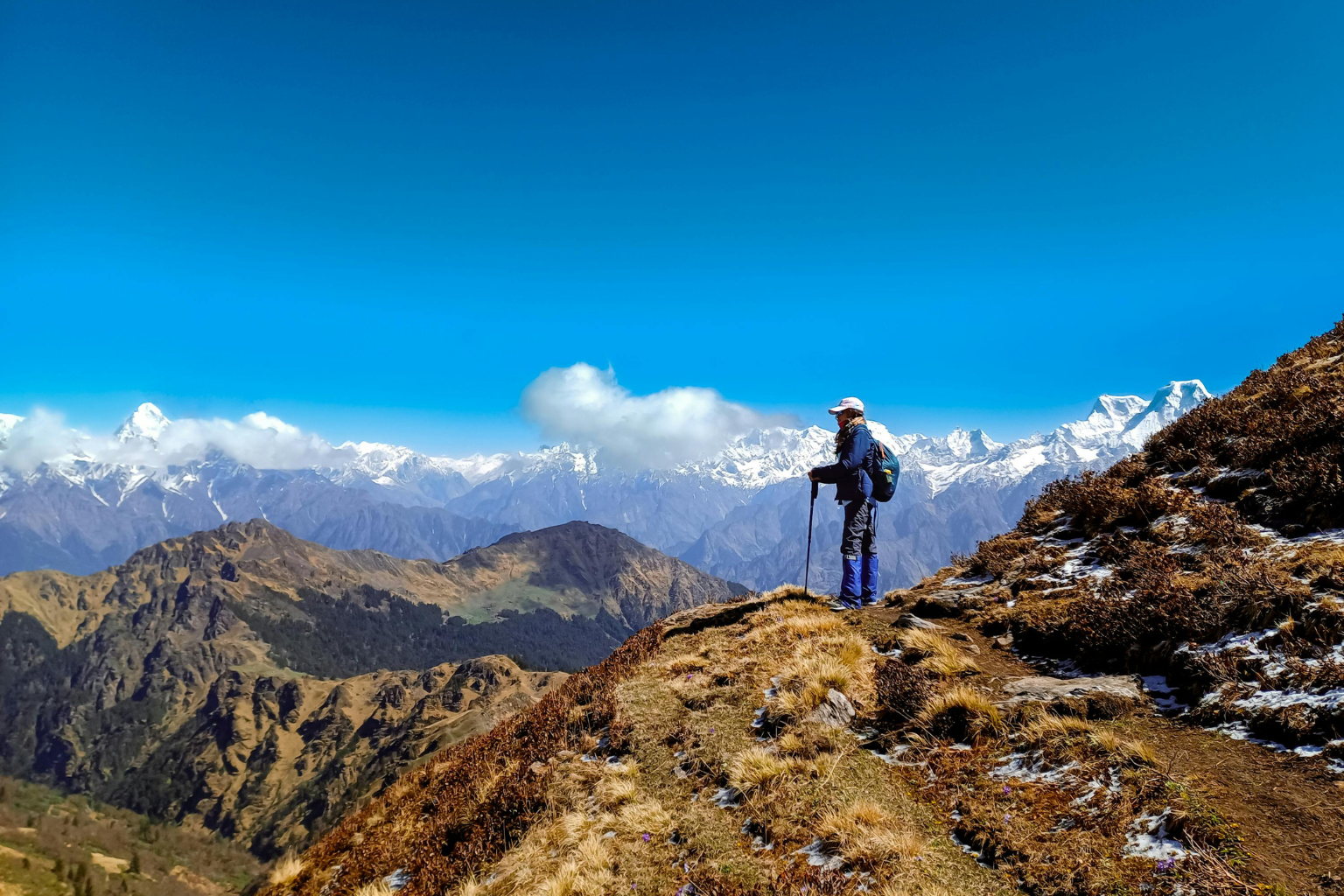
Have you ever dreamt of standing on the highest mountain in Africa? If so, Mount Kilimanjaro might be your ultimate destination. It is a famous mountain in Tanzania. Many people from around the world try to climb it every year. The best part? You don’t need to be a pro climber to reach the summit. With the right plan, anyone who is healthy and determined can reach the top.
Though you don’t need to be a pro climber to reach the summit, you must have all the basic information about the trek to keep your expedition more enjoyable and less tiring. If you are planning to go for the Mount Kilimanjaro trek, read this blog before you go to know how to get ready, which route to take, and how to stay safe at high altitudes.
Preparing for the Trek
Before you climb Mount Kilimanjaro, you need to get ready. This is not just a regular walk, but a long hike up a tall mountain. Here is how you can prepare yourself for the trek:
Get Fit
For Mount Kilimanjaro Trekking, you don’t need to be super strong, but you should be in good shape. Here is how you can get fit and prepare yourself for the trek:
• Go on long walks or hikes often.
• Try walking up hills or stairs.
• Practice carrying a backpack.
• Do this at least 2–3 months before your trip.
Pack the Right Gear
You will need clothes and equipment for warm, cold, and rainy weather. Here is a list of important items you must pack for Mount Kilimanjaro Trekking:
• Strong hiking boots
• Reusable water bottle
• Warm jacket, hat, and gloves
• Sleeping bag (for cold nights)
• Comfortable clothes for walking
• A backpack to carry your things
• Rain jacket and waterproof pants
Get Travel Documents and Vaccines
Before you go to Tanzania:
• Make sure your passport is valid.
• You may need a visa (check online or ask your travel agent).
• Get any vaccines you might need (like yellow fever or malaria pills).
• Buy travel insurance in case of emergencies.
Choose a Good Tour Company
You must climb Kilimanjaro with a licensed guide. To ensure you have a good and licensed guide, choose a good trekking company like Summit Expeditions, as they:
• Keep you safe.
• Help if you feel sick.
• Help carry your bags.
• Cook food and set up tents.
Kilimanjaro Trekking Routes
There are several paths or routes you can take to reach the top of Mount Kilimanjaro. Each route is a little different. Some are easier, some are harder, and some are quieter. Here are the main routes you can choose from:
Marangu Route
Here are the key highlights of the Marangu Route:
• Also called the “Coca-Cola Route.”
• It is the easiest and only route with huts (no camping).
• It takes about 5–6 days.
• Less scenic, but good for beginners.
• It can be crowded.
Machame Route
Here is all you need to know about the Machame Route:
• Known as the “Whiskey Route.”
• The most popular route.
• Very scenic, with forests, valleys, and views.
• It takes 6–7 days.
• Steeper than Marangu, but more beautiful.
Lemosho Route
Here is everything you must know about the Lemosho Route:
• Very quiet and scenic.
• Good time to get used to the altitude.
• It takes 7–8 days.
• Higher chance of reaching the top.
Rongai Route
Here is key information about the Rongai Route:
• Comes from the north side (near Kenya).
• Less crowded.
• Drier and less green.
• It takes 6–7 days.
Umbwe Route
Here is what you need to know about the Umbwe Route:
• The steepest and hardest route.
• Very quick climb, so less time to adjust to the altitude.
• Not many people use this route.
What to Expect on the Trek
Climbing Mount Kilimanjaro is an amazing adventure. However, it is also tough, and if you are doing it for the first time, you must be aware of what each day will be like. So, here is what you can expect during your trek:
Hiking Every Day
You will like it for 4 to 8 hours each day. However, the pace is often slow and steady. Throughout the journey, guides often say “pole pole” (it means slowly, slowly in Swahili). You will walk through different zones, including forest, rocky paths, and snow near the top.
Sleeping in Tents or Huts
On most routes, you will use tents for sleeping. However, on the Marangu route, people get to sleep in huts. At night, it gets cold, even below freezing. To help you keep warm, you will be provided with sleeping bags and mats or small beds.
Food and Water
Your team will cook hot meals like rice, pasta, soup, and vegetables. You will also get tea, coffee, and snacks. The guides make proper arrangements for clean drinking water, so you don’t have to worry about it.
Bathroom Conditions
Most expedition providers ensure there are basic toilets at camps. Some trekking companies bring portable toilets. To be on the safer side, make sure to bring toilet paper and hand sanitizer with you.
Weather Changes
The weather changes as you go higher. It is warm at the bottom, cool in the middle, and very cold at the top. To ensure you stay comfortable, dress in layers so you can add or remove clothes as needed.
Reaching the Summit
The final part of the Kilimanjaro trek is the hardest, but also the most exciting. This is when you hike to the very top of the mountain, which is called Uhuru Peak. Here is what the final part of the trek will look like:
The Summit Night
The climb usually starts at midnight or very early in the morning. It’s cold, dark, and often windy. You wear your warmest clothes, headlamps, and carry water and snacks. You walk slowly, step by step, for 6-8 hours to reach the top.
Level of Difficulty
Upon reaching the summit, you might feel tired, cold, or out of breath. Some people get altitude sickness, and the symptoms include headache, dizziness, and nausea. Your guide will watch you closely and help you stay safe. Make sure you take it “pole, pole” (slowly, slowly) because that’s the key!
You Will Get Amazing Views
As the sun rises, you will see incredible views. The clouds will blow you, and the skies will glow. You will reach Stella Point first, then walk a bit more to Uhuru Peak, which is the highest point in Africa. At the top, you will be allowed to take photos with the famous wooden sign. Upon reaching the top, many people cry, smile or hug because it’s an unforgettable moment.
Returning to the Bottom
After a short rest at the top, you will walk back down to camp. Going down is much faster, but it can be hard on your knees. You will feel tired, but also very proud of what you’ve done.
Tips for a Great Trek
Climbing Kilimanjaro is an incredible experience, and a lot of people want to do it. However, due to small mistakes, your experience can be ruined. To ensure you enjoy your Mount Kilimanjaro trek to the fullest, here are some helpful tips from the people who have done it many times:
Packing
• Stay under the 15 kg weight limit.
• Use a large duffel for easy packing and unpacking.
• Use packing cubes and line your bag with a trash bag in case of rain.
• Bring extra batteries for your headlamp as it gets dark by 6:30 PM.
• Keep electronics and batteries in your sleeping bag at night to avoid freezing.
Clothing
• Dress in layers to combat cold mornings/nights, warm sunny days.
• Sleep in fleece-lined base layers, a hat, and a fleece jacket.
• Don’t wait to get cold. Layer up as soon as the sun sets.
• Pack windproof outerwear, a warm parka, gloves, a balaclava, and double wool socks for summit night.
Hygiene
• Wash in daylight when it’s warm.
• Use wet wipes (showers are rare and cold).
• Bring ziplock bags for toilet paper and carry out all waste.
• If offered, pay for a toilet tent as public toilets are far and often smelly.
Health
• Must bring Diamox, antihistamines, Imodium, and cough drops.
• Use a pulse oximeter to monitor oxygen levels.
• Go pole pole (slowly), as it helps prevent altitude sickness.
• Know the signs of HAPE/HACE (confusion, cough, breathlessness). Descend if needed.
Miscellaneous
• Glasses are better than contacts due to dust.
• Use oversized sunglasses for protection.
• Periods can be irregular, so bring supplies just in case.
• Braids/buns work best. Keep it simple.
Dust and Asthma
The trail is dusty after the rainforest, and if you are an asthma patient, follow these tips:
• Use antihistamines and walk near the front of your group.
• Consider a mask (buffs can feel too tight for some).
• Talk to your doctor before the Mount Kilimanjaro trek.
Conclusion
Climbing Mount Kilimanjaro is a once-in-a-lifetime adventure. It’s challenging, but with the right preparation, gear, and mindset, it’s absolutely doable even for beginners. To ensure you enjoy Mount Kilimanjaro trekking, choose a route that fits your pace, pack smart, go slow, and listen to your body. The journey may be tough, but the reward at the summit is unforgettable.
Always go with the most experienced mountaineering company, like Summit Expeditions, to ensure you stay safe out there in Tanzania. If you need any information on Mount Kilimanjaro Trekking, do not hesitate, just reach out to your mountaineering company, and their team will ensure you understand everything before you go!