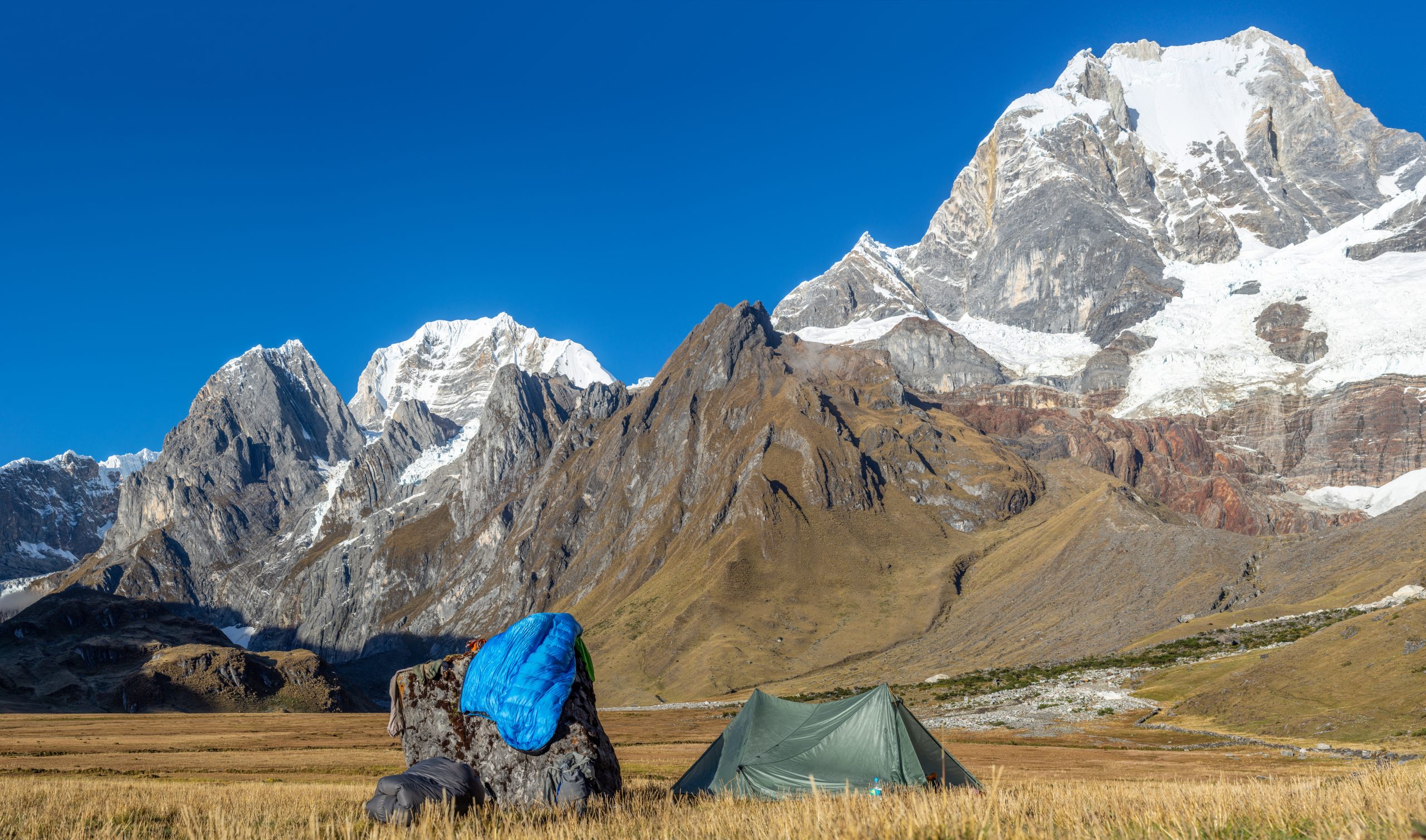
So, you’ve been daydreaming about Everest Base Camp, huh? Trust me — you’re not alone. This hike is one of the most famous adventures in the world, and for good reason. Imagine trekking through stunning valleys, passing prayer flags that flutter in the Himalayan wind, sipping hot tea in tiny Sherpa villages, and eventually standing in the shadow of the tallest mountain on Earth. Goosebumps, right?
But before you go grabbing your hiking boots and stuffing chocolate bars into your backpack, let’s break down everything you really need to know about hiking to Everest Base Camp (EBC).
First Stop: The Legendary Lukla Airport
Okay, let’s address the elephant in the room. To get to Everest Base Camp, you usually fly into Lukla Airport — officially called Tenzing-Hillary Airport. And yes, it’s famous for being one of the “scariest airports in the world.” The runway is short, it’s perched on a cliff, and pilots have to be really skilled to land there.
But here’s the truth: the flights are short, the views are jaw-dropping, and the pilots are absolute pros. Nervous? That’s normal. But think of it this way — everyone who has ever trekked to Everest Base Camp has taken this flight. And when you land, you’ll already feel like an adventurer.
How High Are We Talking?
Everest Base Camp sits at a cool 5,364 meters (17,598 feet) above sea level. For context, that’s way higher than Mont Blanc in Europe or Mount Rainier in the US. It’s not a technical climb, but the altitude is real. The trek takes you from lush valleys and rhododendron forests up into the land of glaciers and thin air.
How Long Does the Trek Take?
On average, the trek to Everest Base Camp takes about 12–14 days round trip. Why so long? Two words: acclimatization days. You’ll hike for a few days, then pause for a rest day to let your body adjust to the altitude (and trust me, you’ll be grateful for those breaks).
The actual walking? Around 5–8 hours a day. Totally doable if you’ve got a decent fitness level, and hey — there’s always tea houses and dal bhat (lentils + rice = mountain fuel) waiting at the end of each day.
Is it Safe?
This is the big question everyone asks. And the answer is: yes, it’s safe — if you go prepared.
* You don’t need to be an elite athlete, but some training definitely helps.
* Guides and porters know the trails like the back of their hand.
* Teahouses along the way make sure you’re never far from food, shelter, or a hot cup of ginger tea.
The main thing to watch out for? Altitude sickness. That’s why acclimatization is so important — and why trekking with an experienced team makes all the difference.
What’s the Trek Really Look Like?
Picture this: one day you’re crossing a suspension bridge covered in prayer flags, the next you’re sipping tea in Namche Bazaar (the Sherpa capital), and a few days later you’re walking past yaks carrying supplies. The scenery constantly changes, but the vibe is the same — pure Himalayan magic.
The highlight, of course, is finally reaching Base Camp. You’ll stand surrounded by prayer flags and mountains so massive they don’t even look real. It’s less about “conquering” something and more about feeling completely humbled by where you are.
The Essentials To Know Before You Go
Best time to trek: Pre-monsoon (March–May) and post-monsoon (September–November). Clear skies, great views.
Accommodation: Cozy teahouses. Think wooden rooms, warm blankets, and communal dining halls where trekkers from all over the world share stories.
Food: Dal bhat, momos (dumplings), noodles, soups. Simple, hearty, and surprisingly tasty at high altitude.
Wi-Fi & Charging: Available in most villages (for a small fee). Don’t expect lightning-fast speeds, but hey, it’s enough to send a “Made it to Namche!” message home.
Gear: Good boots, warm layers, and a solid sleeping bag are your best friends.
Why It’s Worth It
Hiking to Everest Base Camp isn’t just about ticking a box on your bucket list. It’s about the people you meet along the way, the Sherpa culture you experience, the mental toughness you discover, and those mountain views that just never stop.
By the time you walk back into Lukla for your return flight, you’ll feel like you’ve been part of something special — and you’ll carry that adventure with you forever.
So, if Everest Base Camp has been calling your name, take this as your sign. It’s not just a trek, it’s an experience of a lifetime. Pack your sense of adventure, lace up those boots, and get ready to fall in love with the Himalayas.